


_edited.jpg)





Understanding Tray Sealer Pricing Options
Automatic tray sealers are essential for food manufacturers and processors. They improve packaging speed, product safety, and shelf life. However, understanding the costs involved is crucial before investing. This guide breaks down the key factors affecting tray sealer pricing options. It helps you make informed decisions that fit your production needs and budget.
Factors Influencing Tray Sealer Pricing Options
Tray sealer prices vary widely. Several factors determine the final cost. Knowing these helps you compare machines effectively.
Machine Type: Semi-automatic machines cost less but require manual loading. Fully automatic machines are pricier but increase efficiency.
Sealing Technology: Heat sealing is common and affordable. Vacuum or modified atmosphere packaging (MAP) options add to the price.
Production Speed: Higher speed machines cost more. Choose a speed that matches your output requirements.
Tray Size Compatibility: Machines that handle multiple tray sizes or custom trays tend to be more expensive.
Automation Level: Features like automatic tray loading, unloading, and film feeding increase costs.
Build Quality and Materials: Stainless steel construction and hygienic design add to the price but improve durability and compliance.
Additional Features: Touchscreen controls, data logging, and integration with other equipment can raise the price.
Understanding these factors helps you focus on what you need and avoid paying for unnecessary features.
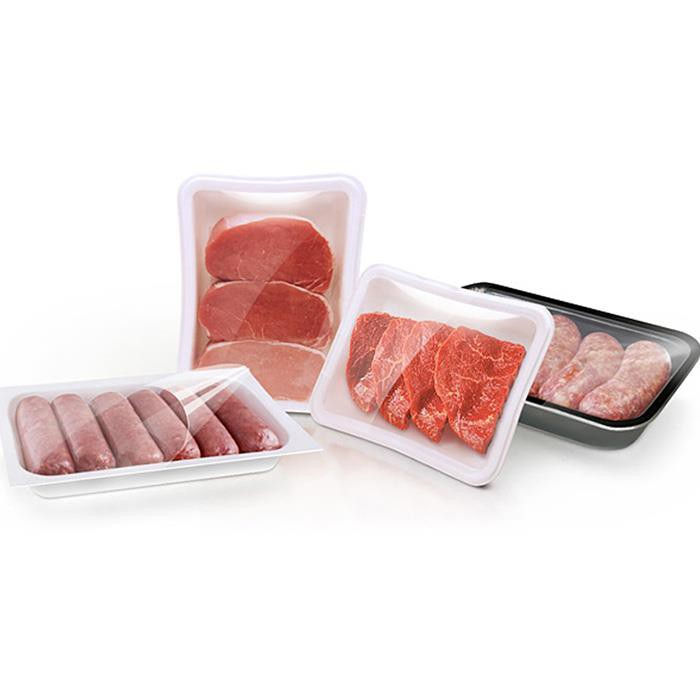
Comparing Tray Sealer Pricing Options by Production Scale
Your production scale directly impacts the tray sealer pricing options suitable for you.
Small Scale Production
Semi-automatic tray sealers are ideal.
Lower initial investment.
Manual loading and unloading.
Suitable for small batches or artisanal products.
Limited speed and automation.
Medium Scale Production
Mid-range automatic tray sealers.
Moderate speed and automation.
Can handle multiple tray sizes.
Balance between cost and efficiency.
Large Scale Production
High-end fully automatic tray sealers.
High speed and continuous operation.
Advanced features like MAP and vacuum sealing.
Integration with upstream and downstream equipment.
Higher initial cost but lower labour costs and higher throughput.
Choose a machine that matches your production volume to optimise costs and efficiency.
Key Cost Components of Tray Sealers
Breaking down the total cost helps you understand where your money goes.
Base Machine Price
This is the starting price for the tray sealer without extras. It depends on size, speed, and technology.
Installation and Training
Some suppliers include this in the price. Others charge separately. Proper installation and operator training are essential.
Maintenance and Spare Parts
Regular maintenance keeps the machine running smoothly. Budget for spare parts and service contracts.
Consumables
Film rolls, trays, and sealing materials add ongoing costs. Choose compatible and cost-effective consumables.
Upgrades and Customisation
Adding features like barcode scanners or custom tray holders increases the price.
Energy Consumption
More advanced machines may use more power. Factor this into operating costs.
Understanding these components helps you plan your budget beyond the initial purchase.

How to Evaluate Return on Investment (ROI)
Investing in a tray sealer is a significant decision. Calculate ROI to justify the expense.
Increased Productivity: Faster sealing reduces labour costs.
Reduced Waste: Better sealing extends shelf life and reduces product loss.
Improved Product Quality: Consistent sealing enhances brand reputation.
Labour Savings: Automation reduces manual work.
Compliance and Safety: Meets food safety standards, avoiding fines or recalls.
Calculate ROI by comparing the cost savings and increased revenue against the total investment over time. This helps you choose the right machine and pricing option.
Tips to Manage and Reduce Tray Sealer Costs
Control costs without compromising quality.
Buy Only Needed Features: Avoid paying for extras you won’t use.
Consider Leasing or Financing: Spread out payments to ease cash flow.
Choose Reliable Brands: Lower maintenance and downtime costs.
Train Operators Well: Proper use reduces damage and repairs.
Negotiate with Suppliers: Ask for package deals including installation and training.
Plan for Consumables: Buy in bulk or from the same supplier for discounts.
These strategies help you get the best value from your investment.
Understanding the automatic tray sealer cost is key to making the right choice. Consider your production needs, budget, and long-term goals. This approach ensures you select a tray sealer that improves efficiency and product quality while fitting your financial plan.


Comments