


_edited.jpg)





Effective Meat Mixer Machine Usage for Food Processing

Using a meat mixer machine correctly improves product quality and production efficiency. This guide explains how to operate these machines safely and effectively in food manufacturing environments.
Understanding Meat Mixer Machine Usage
A meat mixer machine blends meat and ingredients evenly. It ensures consistent texture and flavour in processed meat products. You must prepare ingredients properly before mixing. Cut meat into uniform pieces to avoid uneven mixing.
Set the machine speed according to the product type. Slow speeds suit delicate mixtures. Faster speeds work for tougher blends. Avoid overmixing to prevent texture loss. Mix for the recommended time only.
Clean the machine thoroughly after each use. This prevents contamination and maintains hygiene standards. Use food-safe cleaning agents and follow manufacturer instructions.

Steps to Use a Meat Mixer Machine Safely
Follow these steps to operate the machine safely:
Inspect the machine before use. Check for damage or loose parts.
Load ingredients evenly into the mixing bowl.
Secure the lid to prevent spills.
Start the machine at low speed, then increase if needed.
Monitor the mixing process closely.
Stop the machine immediately if any issues arise.
Unload the mixture carefully to avoid contamination.
Clean the machine after use.
Always wear protective gear such as gloves and aprons. Keep the work area clean and free of obstacles.
Maintenance and Troubleshooting Tips
Regular maintenance extends the machine’s lifespan. Lubricate moving parts as recommended. Replace worn components promptly.
If the machine vibrates excessively, check for unbalanced loads. Uneven ingredient distribution can cause this. Adjust the load and try again.
If the motor overheats, reduce the mixing time or speed. Allow the machine to cool before restarting.
Keep a maintenance log to track repairs and servicing. This helps identify recurring problems early.
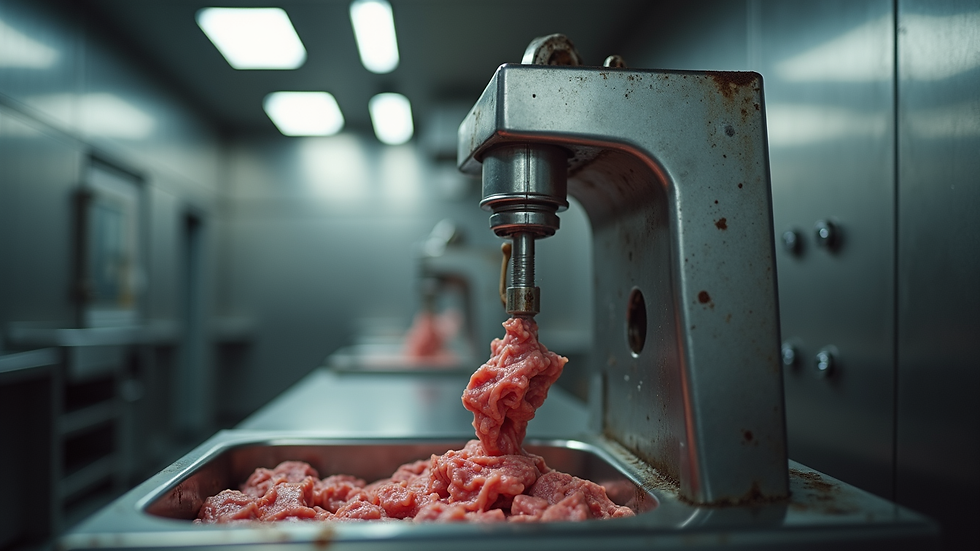
Optimising Production with a Meat Mixer Machine
Use the machine to increase production speed without sacrificing quality. Plan batch sizes to match machine capacity. Avoid overloading to ensure thorough mixing.
Train staff on correct operation and cleaning procedures. Well-trained operators reduce downtime and errors.
Integrate the mixer with other processing equipment for a smooth workflow. For example, connect it to a meat grinder or packaging line.
Use the commercial meat mixer machine to improve consistency and reduce manual labour. This investment pays off in higher output and better product uniformity.
Key Safety Practices to Follow
Safety is critical when using heavy machinery. Always:
Keep guards and safety devices in place.
Do not bypass safety switches.
Turn off and unplug the machine before cleaning or maintenance.
Report any faults immediately.
Store the machine in a dry, clean area when not in use.
Following these rules protects workers and prevents costly accidents.
Maximising Efficiency in Meat Mixing Operations
To get the best results:
Use the right mixer size for your production volume.
Select appropriate mixing times for each recipe.
Regularly calibrate the machine controls.
Schedule routine maintenance to avoid breakdowns.
Monitor ingredient quality to ensure consistent output.
Implementing these practices leads to smoother operations and higher product quality.
Using a meat mixer machine correctly is essential for efficient food processing. Follow these guidelines to maintain safety, improve product consistency, and boost productivity. Proper use and care of your equipment will support your business goals and ensure reliable performance.


Comments