


_edited.jpg)




Optimising Food Packaging with Lidding Films
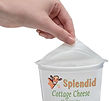
Food packaging plays a crucial role in preserving product quality, extending shelf life, and ensuring safety. One key component in this process is the lidding film. It seals containers, protects food from contamination, and maintains freshness. Understanding how to optimise food packaging with lidding films can improve your product’s performance and customer satisfaction.
Why Lidding Films Matter in Food Packaging
Lidding films are thin layers of plastic or composite materials used to seal trays, pots, or containers. They create a barrier against oxygen, moisture, and microbes. This barrier helps keep food fresh longer and reduces waste.
Using the right lidding film can:
Prevent leaks and spills during transport
Protect food from external contaminants
Maintain the texture and flavour of the product
Support modified atmosphere packaging (MAP) to extend shelf life
Choosing the correct film depends on the food type, packaging machinery, and storage conditions. For example, fresh meat requires a film with high oxygen barrier properties, while ready meals may need films that withstand heat during cooking.
Types of Lidding Films and Their Uses
There are several types of lidding films, each designed for specific packaging needs. Common types include:
Polyethylene (PE) films: Flexible and moisture resistant, suitable for chilled foods.
Polypropylene (PP) films: Heat resistant, ideal for products that require reheating.
Polyester (PET) films: Strong and clear, often used for premium packaging.
Multilayer films: Combine different materials to balance barrier properties and sealability.
For example, a multilayer film might have a PET outer layer for strength, a barrier layer to block oxygen, and a PE inner layer for sealing.
How to Choose the Right Lidding Film
Selecting the right lidding film involves considering several factors:
Food type: Different foods need different barrier levels. Fresh produce needs moisture control, while cooked meals need heat resistance.
Packaging method: Films must be compatible with your sealing equipment and packaging style.
Shelf life requirements: Longer shelf life demands better barrier properties.
Environmental impact: Consider recyclable or biodegradable films to reduce waste.
For example, if you package fresh meat in modified atmosphere packaging, you need a film that seals tightly and blocks oxygen. If you package ready meals that customers microwave, the film must tolerate high temperatures without melting.
Examples of Lidding Films in Use
Two products illustrate how lidding films optimise food packaging:
1. MAP Lidding Film for Fresh Meat Trays
This film is designed for modified atmosphere packaging (MAP) of fresh meat. It offers excellent oxygen and moisture barriers to keep meat fresh and red. It seals tightly to prevent leaks and contamination.
You can find such films tailored for the UK market, like the lidding film for map trays uk which meets local food safety standards and packaging machinery requirements.
2. Heat-Resistant Lidding Film for Ready Meals
This film withstands high temperatures during cooking or reheating. It seals ready meal trays securely and maintains product integrity. It also offers good clarity so customers can see the food inside.
Using these films helps reduce food waste by extending shelf life and improving convenience for consumers.

Benefits of Using Quality Lidding Films
Investing in the right lidding film brings several benefits:
Improved product safety: Strong seals prevent contamination.
Extended shelf life: Better barrier properties slow spoilage.
Reduced food waste: Longer freshness means less discarded food.
Enhanced customer appeal: Clear films showcase product quality.
Compatibility with packaging lines: Films designed for your machinery reduce downtime.
These benefits translate into cost savings and better brand reputation.
Tips for Optimising Packaging with Lidding Films
To get the most from your lidding films, follow these tips:
Test films with your packaging equipment before full-scale use.
Match film properties to your product’s storage and cooking needs.
Work with suppliers who understand your market and regulations.
Consider sustainability by choosing recyclable or compostable films.
Monitor seal integrity regularly to avoid leaks.
For example, if you package chilled ready meals, select a film that seals well at low temperatures and can handle reheating. Test the film on your sealing machines to ensure consistent performance.

Future Trends in Lidding Films
The food packaging industry is evolving. New trends in lidding films include:
Sustainable materials: Films made from biodegradable or recycled plastics.
Smart packaging: Films with sensors to monitor freshness.
Improved barrier technologies: Thinner films with better protection.
Custom printing: Films that display branding and product info clearly.
Adopting these trends can help you stay competitive and meet consumer demands.
Summary
Lidding films are essential for effective food packaging. They protect products, extend shelf life, and improve safety. Choosing the right film depends on your product, packaging method, and storage needs. Using examples like MAP lidding films for fresh meat and heat-resistant films for ready meals shows how different films serve different purposes.
Optimise your packaging by selecting quality lidding films compatible with your equipment and product requirements. Consider sustainability and future trends to keep your packaging efficient and appealing.
Explore options like the lidding film for map trays uk to find solutions tailored to your needs. Proper film choice supports your product’s success from factory to consumer.


Comments